

















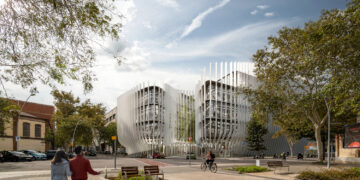





East London’s Innovative Building Materials Reuse Scheme Offers Lessons for India’s Sustainable Architecture Movement
In a major step towards sustainable construction, Tower Hamlets Council in East London joined the Reuse Of Materials Using Local Unitary Stakeholders (ROMULUS) pilot – a groundbreaking scheme that encourages the reuse of good quality surplus building materials. The idea behind the scheme is simple and yet revolutionary: don’t throw away old construction supplies that are still useable, reuse them within a managed “reuse marketplace”.
The scheme works similar to an online auction site, materials that are listed can include surplus materials such as, reclaimed bricks, timber, kitchen units, bathroom suites, fitted bathrooms, boiled to very good quality surplus new stock materials. The idea is to keep those resources in circulation for as long as possible in order to reduce waste and carbon in the construction industry.
From Waste to Value: How the System Works
The ROMULUS pilot focuses on sourcing materials from council-owned properties such as schools, offices, and public facilities undergoing renovation or demolition. Additionally, surplus stock from both private and public development projects is collected. Instead of ending up in landfills, these resources are redirected to community-led construction efforts.
These community projects, in turn, can use the reclaimed materials to build or refurbish homes at a fraction of the cost, making housing more affordable while adhering to green building principles. The initiative promotes a circular economy—a model where materials are continuously reused, recycled, and repurposed, reducing the reliance on virgin raw materials.
Architectural Sustainability Meets Social Impact
For architects and urban planners, the scheme is more than just a waste-reduction measure—it is a platform for design innovation. By incorporating reclaimed materials, architects can explore unique textures, finishes, and design narratives that bring character to new projects. This aligns closely with India’s growing emphasis on vernacular architecture, adaptive reuse, and net-zero building concepts.
In addition to other benefits, Shafi Ahmed, Tower Hamlets Council’s Cabinet Member for the Environment & Climate Emergency, said this:
“This project not solely enables us to build homes economically and sustainably, but creates green job opportunities, plus engages the community.”
The job opportunities, from deconstruction and material processing to transporting, sorting and logging returned materials shows the economic potential of sustainability. For India where construction and demolition waste is one of the largest contributors to the volume of landfill waste, this could mean new and substantial employment opportunities in the regulated green economy.
Research-Backed Urban Solutions
The ROMULUS pilot is supported by UK university research partnerships, ensuring the programme’s effectiveness is scientifically evaluated. This academic collaboration strengthens the case for wider adoption by producing data on carbon savings, cost benefits, and community impact. The City of London’s participation shows that such schemes can be scaled across multiple urban jurisdictions.
For Indian metropolitan areas—Delhi, Mumbai, Bengaluru, and Hyderabad—this presents a clear roadmap: create an institutional framework that links municipal bodies, private developers, academia, and non-profits to manage and redistribute surplus construction materials.
Why India Should Pay Attention
India’s building industry generates over 150 million tonnes of construction and demolition waste annually. While the Bureau of Indian Standards (BIS) and the Ministry of Housing and Urban Affairs have begun advocating for recycled aggregates and eco-friendly construction, the adoption rate remains low.
A ROMULUS-style programme could:
- Reduce the strain on landfills and natural resources.
- Lower construction costs for affordable housing projects.
- Support architectural experimentation with reclaimed elements.
- Foster local marketplaces for construction material reuse.
- Form green jobs for dismantling, sorting, and logistics.
Architects can also drive the culture shift by including some reclaimed materials on high profile projects, showcasing that sustainability and aesthetics can coexist.
Towards a Circular Construction Future
James Adams, Director from Maconda Solutions, aptly summarized the ambition, stating:
“Tower Hamlets is supporting the concept of London as the world’s circular capital”.
If India promotes a similar mentality, we could have cities emerge as leaders of circular architecture – creating exemplary global examples, for sustainable design. Such an idea is consistent with the G20 Resource Efficiency Framework and India’s National Resource Efficiency Policy, which encourages the efficient use of materials across sectors.
The East London pilot is ultimately more than just a localized environmental project, it can serve as a replicable model in cities across the globe. For Indian architects, developers, and policymakers, it offers a practical, scalable opportunity for low waste high-impact, and most importantly, for every brick and beam there is a story of renewal.
https://architectureupdate.in/
#EcoFriendlyConstruction#CircularConstruction#GreenUrbanDevelopment
#printpublication#modernarchitectindia